Sanitation Exists, So Why Does Contamination Keep Returning?

In many food manufacturing facilities, sanitation programs are implemented on a regular basis. Cleaning plans are defined, appropriate chemicals are used, and all activities are properly documented. Yet one reality is frequently observed on the shop floor: contamination keeps returning. This situation does not usually mean that sanitation is not being performed. On the contrary,…
Digital Maintenance and Equipment Hygiene

A Missing Link in Food Safety Management In food manufacturing, maintenance activities are often viewed through an operational lens—focused on uptime, efficiency, and cost control. However, from a food safety perspective, maintenance is far more than a technical necessity. Poorly managed maintenance processes can introduce significant contamination risks, compromise sanitation programs, and result in audit…

Sanitation Verification vs Validation

Ensuring Effective Cleaning Control within FSMS Sanitation practices are a fundamental component of food safety in production facilities. However, in many organizations, cleaning effectiveness is assessed primarily through visual inspections or periodic test results. While these methods indicate whether cleaning activities were performed, they do not always demonstrate whether they were performed correctly and effectively.…

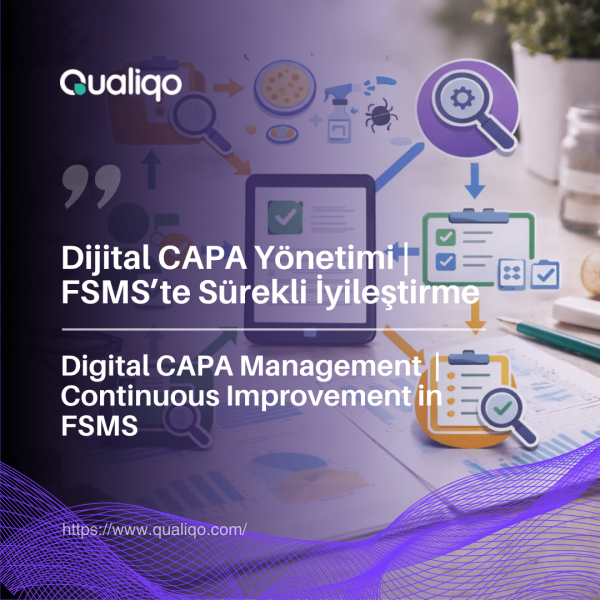
Digital Management of Corrective and Preventive Actions (CAPA) in FSMS

Enabling Continuous Improvement in Food Safety Identifying non-conformities is only the first step in food safety management. The real value lies in how these issues are analyzed, addressed, and prevented from recurring. In many organizations, CAPA processes are still managed through fragmented records and manual follow-ups. This often leads to repeated issues and inconsistencies during…

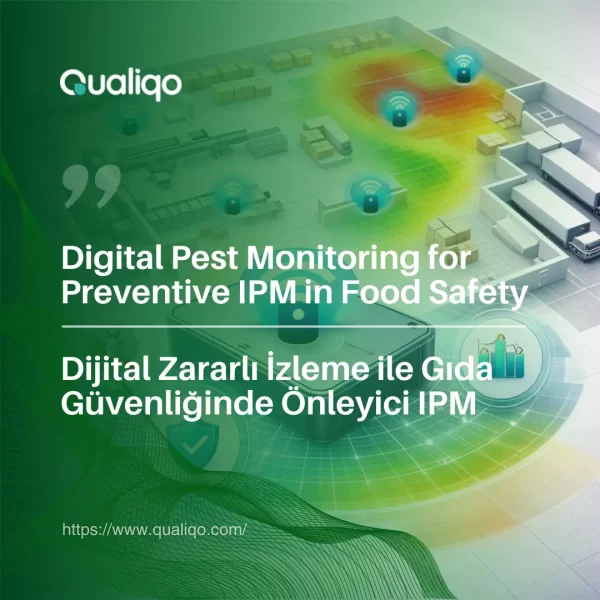
Digital Pest Monitoring for Preventive IPM in Food Safety

Data-Driven Pest Management Integrated with EMP For many years, pest management in food production facilities has been treated primarily as a control activity. Actions were taken only after pest activity was observed, records were reviewed mainly during audits, and problems were often addressed after they had already occurred. However, increasing audit expectations, multi-site operations, and…

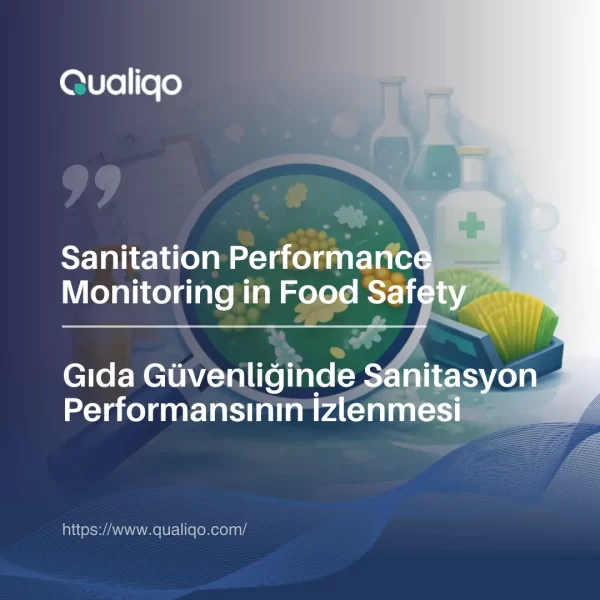
Sanitation Performance Monitoring in Food Safety

Why Sanitation Performance Monitoring Matters in Food Safety In modern food production, sanitation is no longer just about completing cleaning tasks. It must be measured, verified, and continuously improved. Sanitation performance monitoring enables food manufacturers to move beyond checklists and gain real visibility into how effectively processes reduce contamination risks. Without monitoring• Cleaning effectiveness cannot…

Contamination Control in Food Safety

Ensuring Safe and Compliant Operations Food contamination remains one of the most critical challenges in the food industry. Contamination Control is the cornerstone of any Food Safety Management System (FSMS), ensuring that products are safe for consumption and compliant with standards such as HACCP and ISO 22000. 1. Understanding Contamination Contamination refers to the presence…

Digital Traceability for Efficient CIP Cleaning

In food production facilities, CIP cleaning processes are among the fundamental hygiene practices that ensure in-line equipment is cleaned safely, effectively, and consistently. However, this process involves far more than a seemingly standard cleaning cycle. Parameters such as temperature, duration, chemical concentration, pressure, and conductivity must progress at correct values, which is mandatory for food…